L.01MANTIC ARTS LIBRARY

Atlas of Chinese mantic arts

Thirty-four core dossiers across nine families. Explore principles, formation, primary texts, school differences and the limits of evidence.

34core dossiers09families
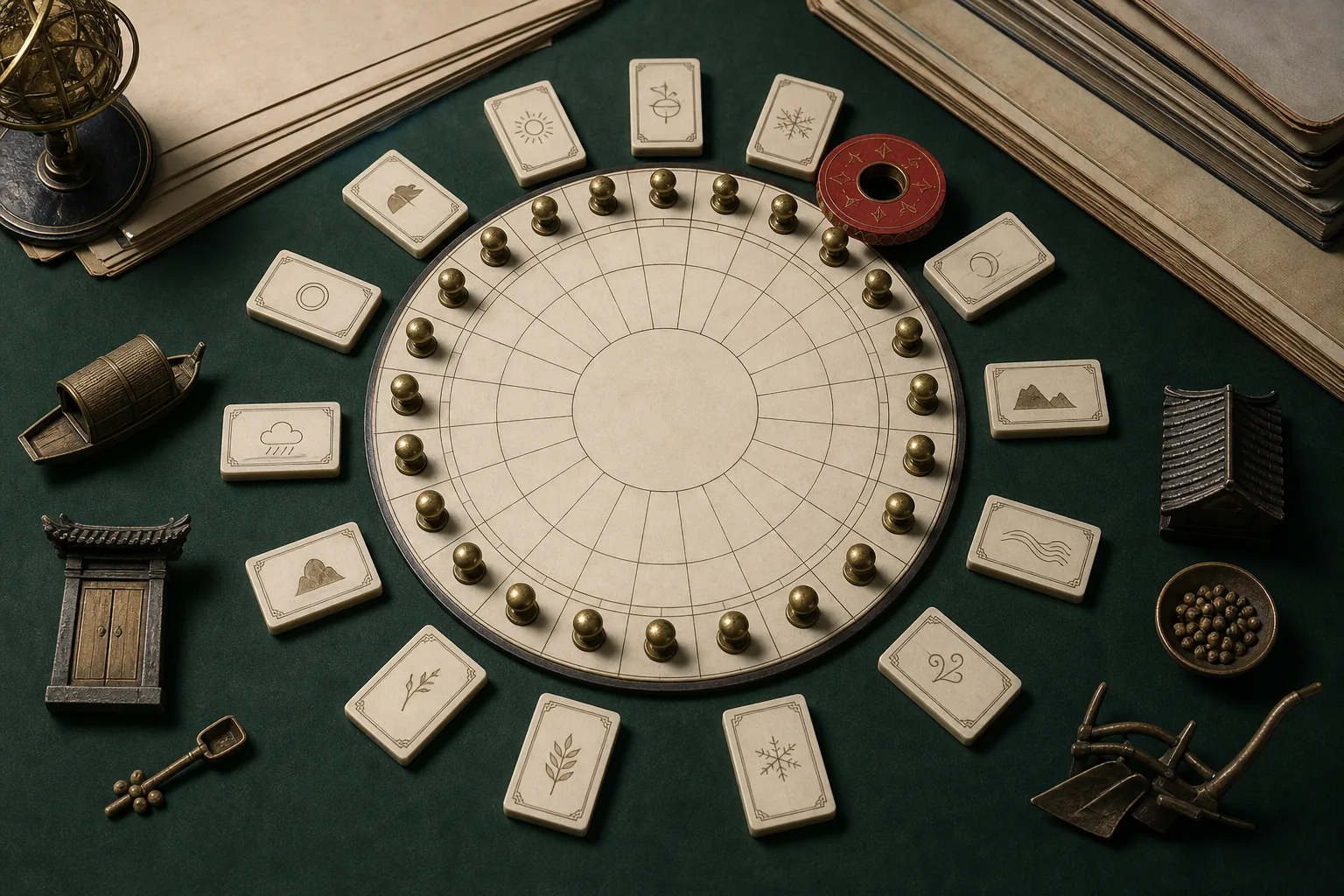
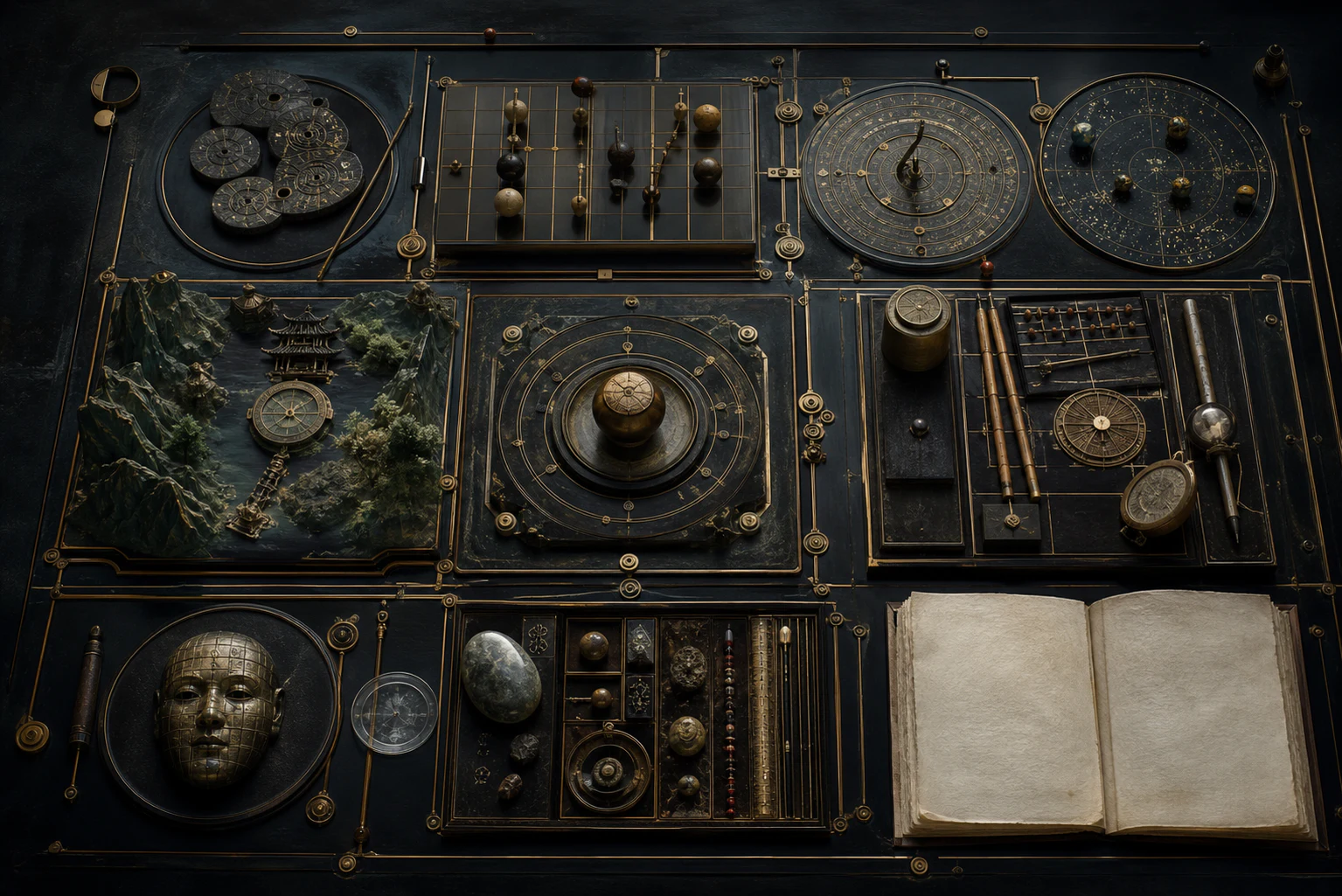
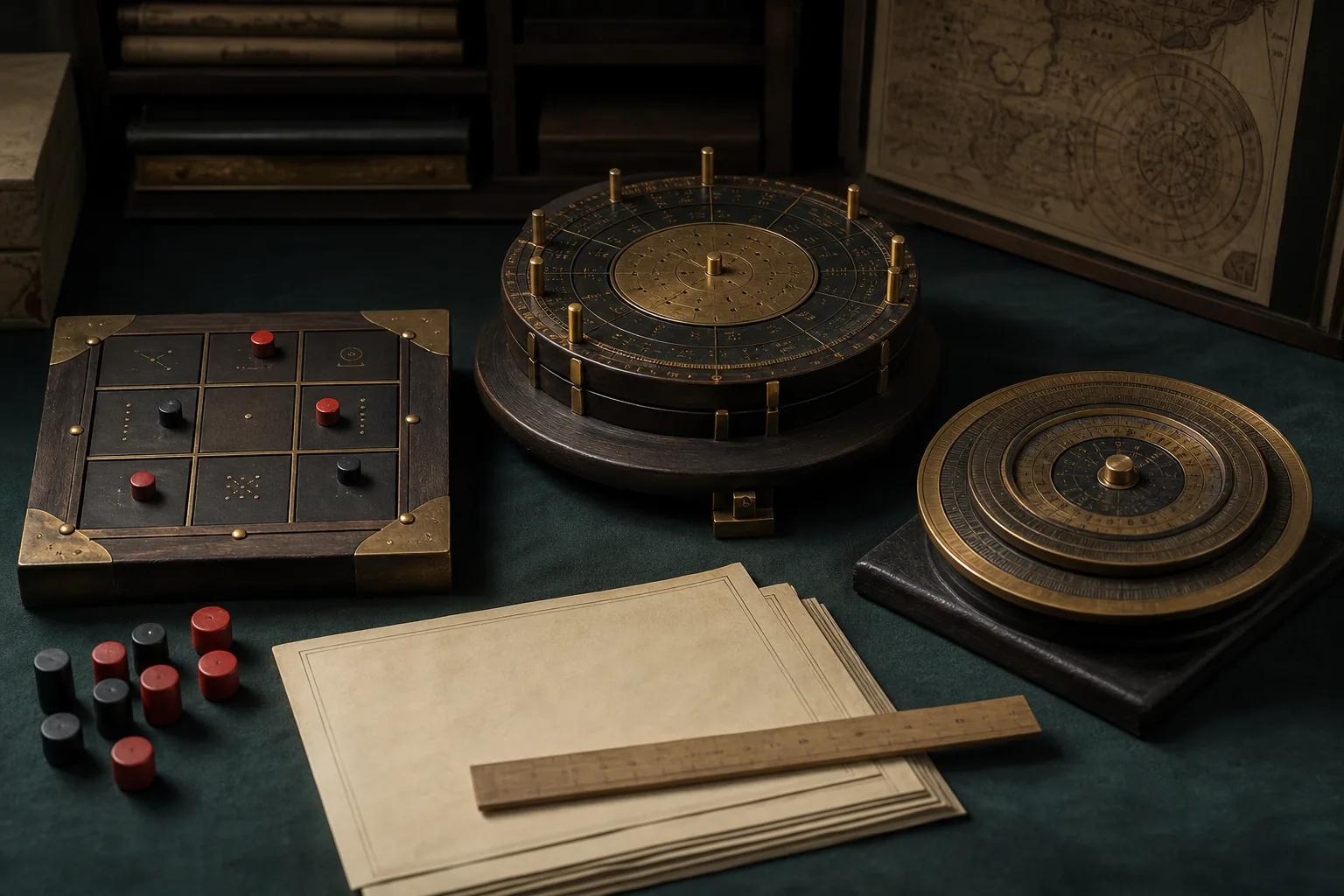
An editorial still life of objects and diagrams associated with Chinese mantic traditions
Filter by family

34 core dossiers shown

Compare systems ↗

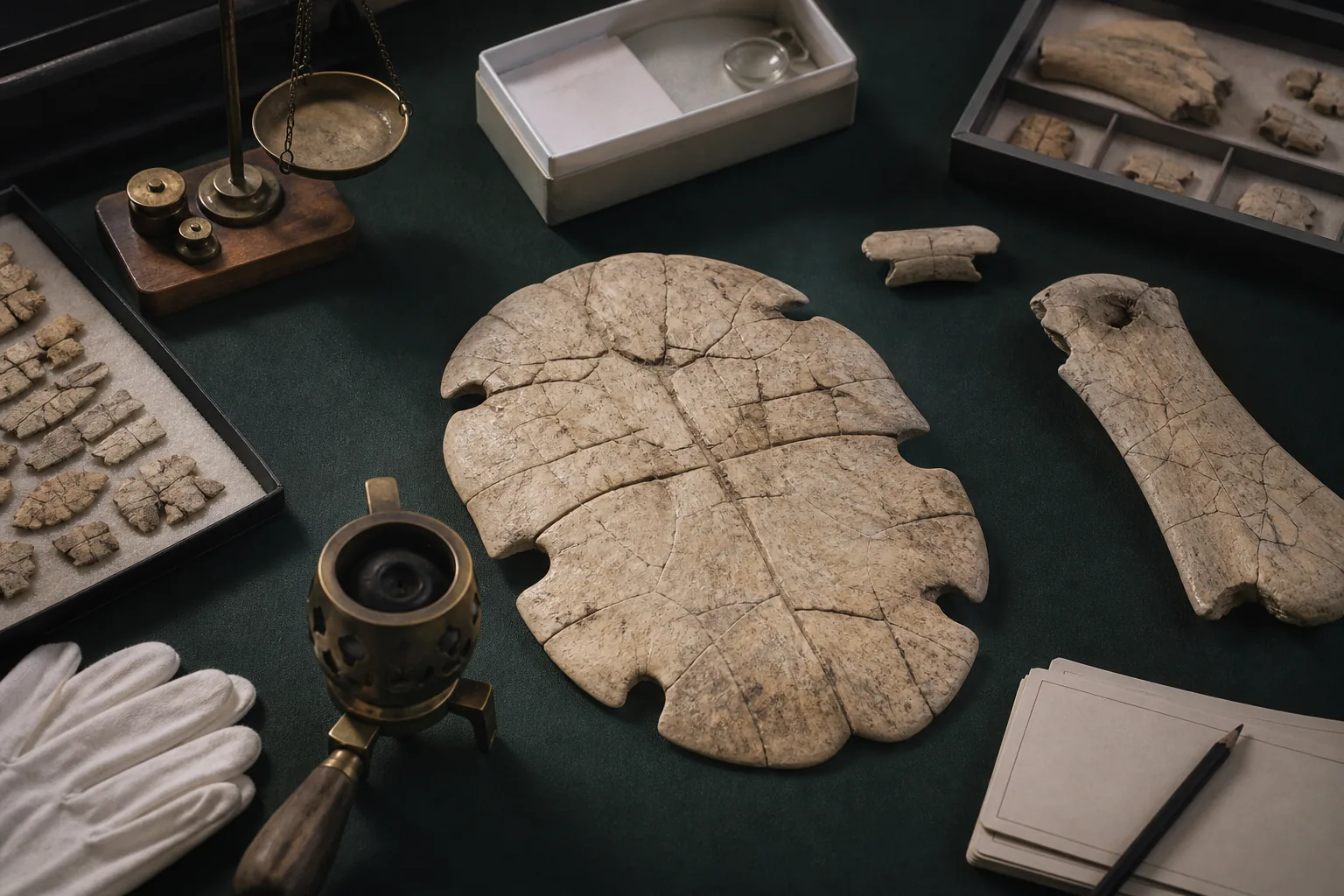
龟卜与骨卜

Guībǔ yǔ gǔbǔ · Pyromantic shell and bone divination

A pyromantic decision system using prepared turtle shell or animal bone whose cracks were interpreted; it is the earliest Chinese divinatory institution documented by a large surviving archive.

Excavated evidenceTextually documented
Principles, history & texts
蓍筮与《周易》

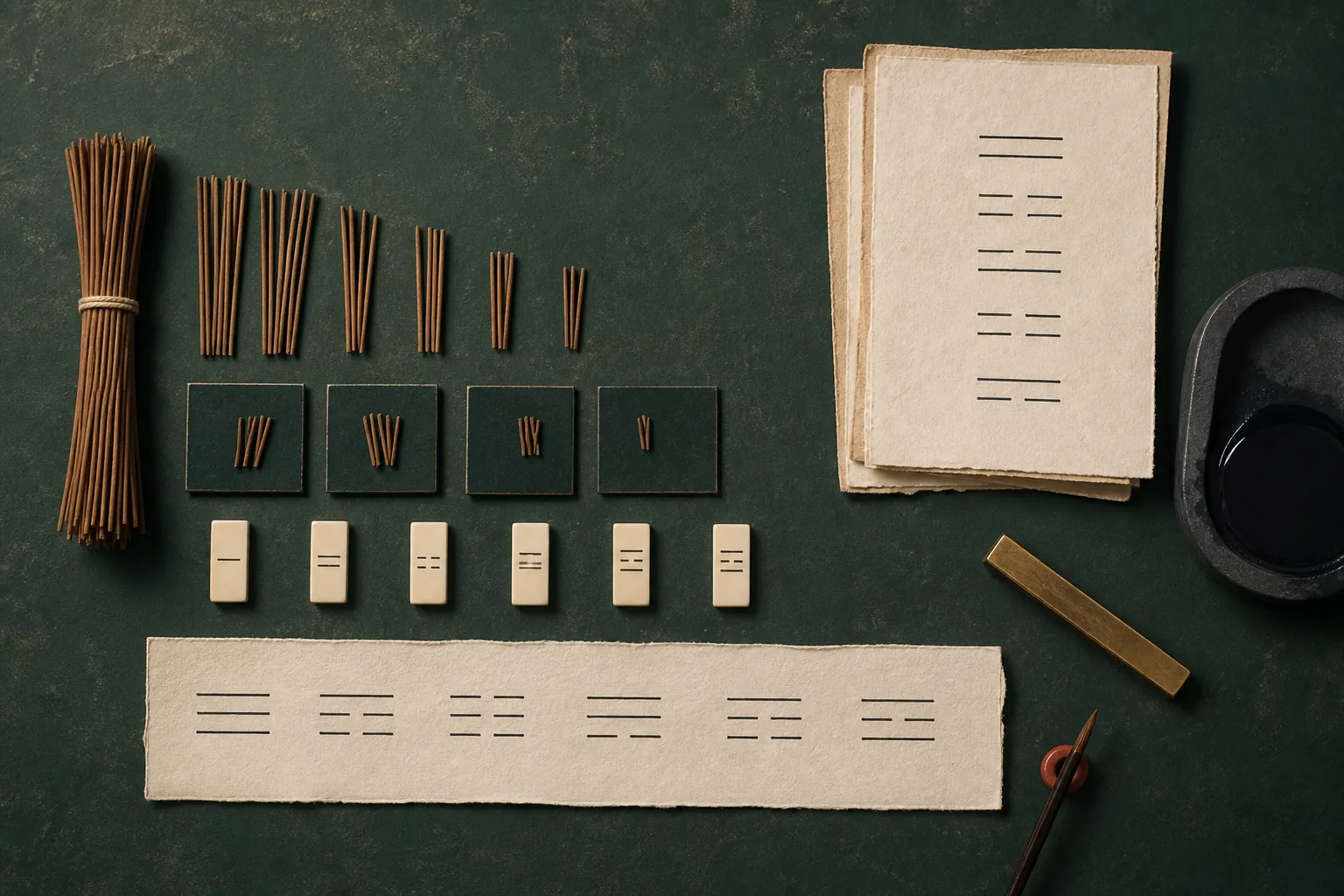
Shīshì yǔ Zhōuyì · Yarrow divination and the Zhou Changes

A method producing a six-line hexagram and changing lines with counting stalks, interpreted through line statements and later correlative reasoning; it became a canonical hub for Yijing studies and many later arts.

Excavated evidenceTextually documented
Principles, history & texts
数字卦与先秦筮法

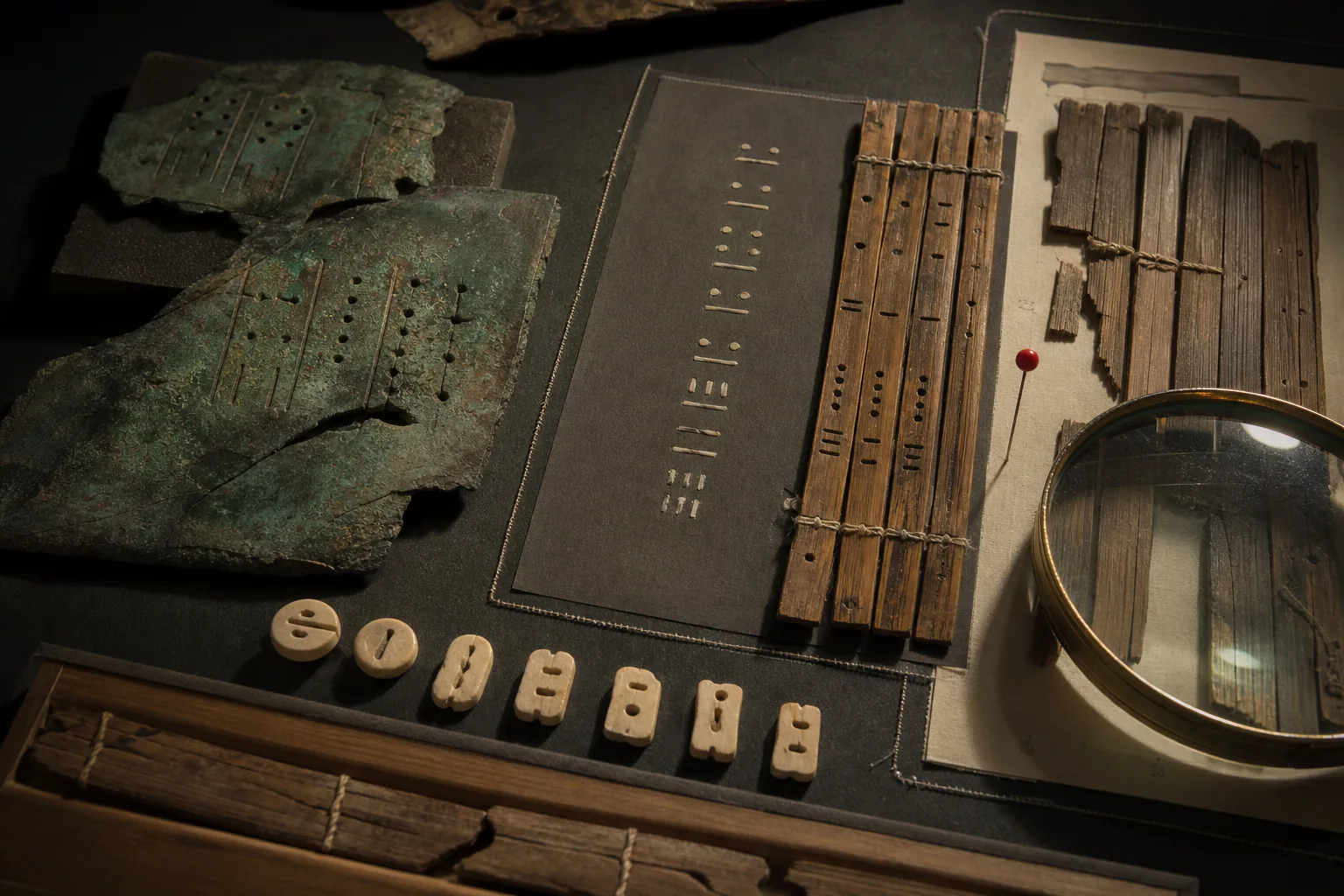
Shùzì guà yǔ Xiān-Qín shìfǎ · Numerical hexagrams and pre-imperial divination

Excavated traditions in which numbers such as one, four, five, six, eight and nine directly formed line positions, revealing a plurality of methods before and alongside standardized yin-yang lines.

Excavated evidenceTextually documented
Principles, history & texts
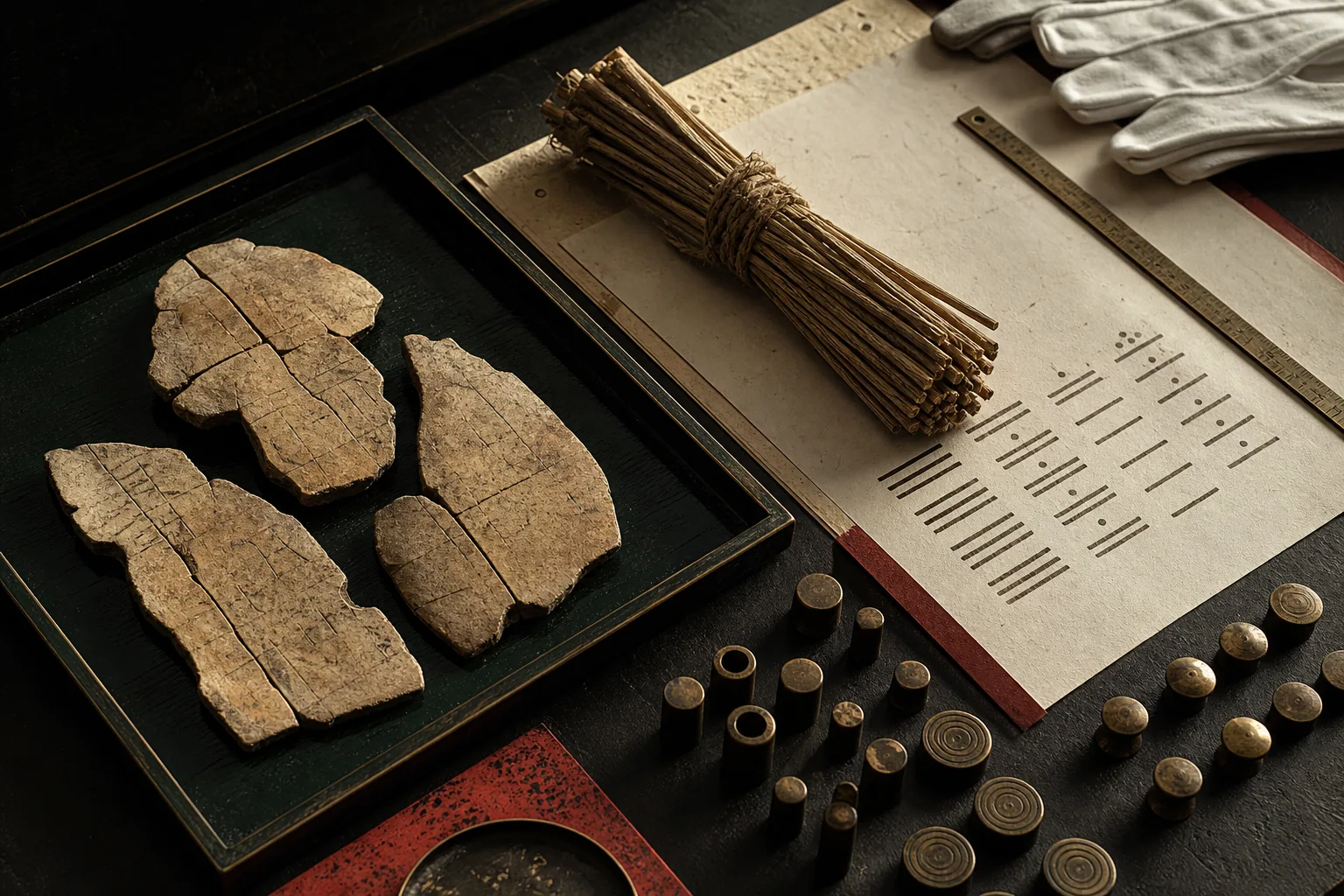
河图、洛书与九宫

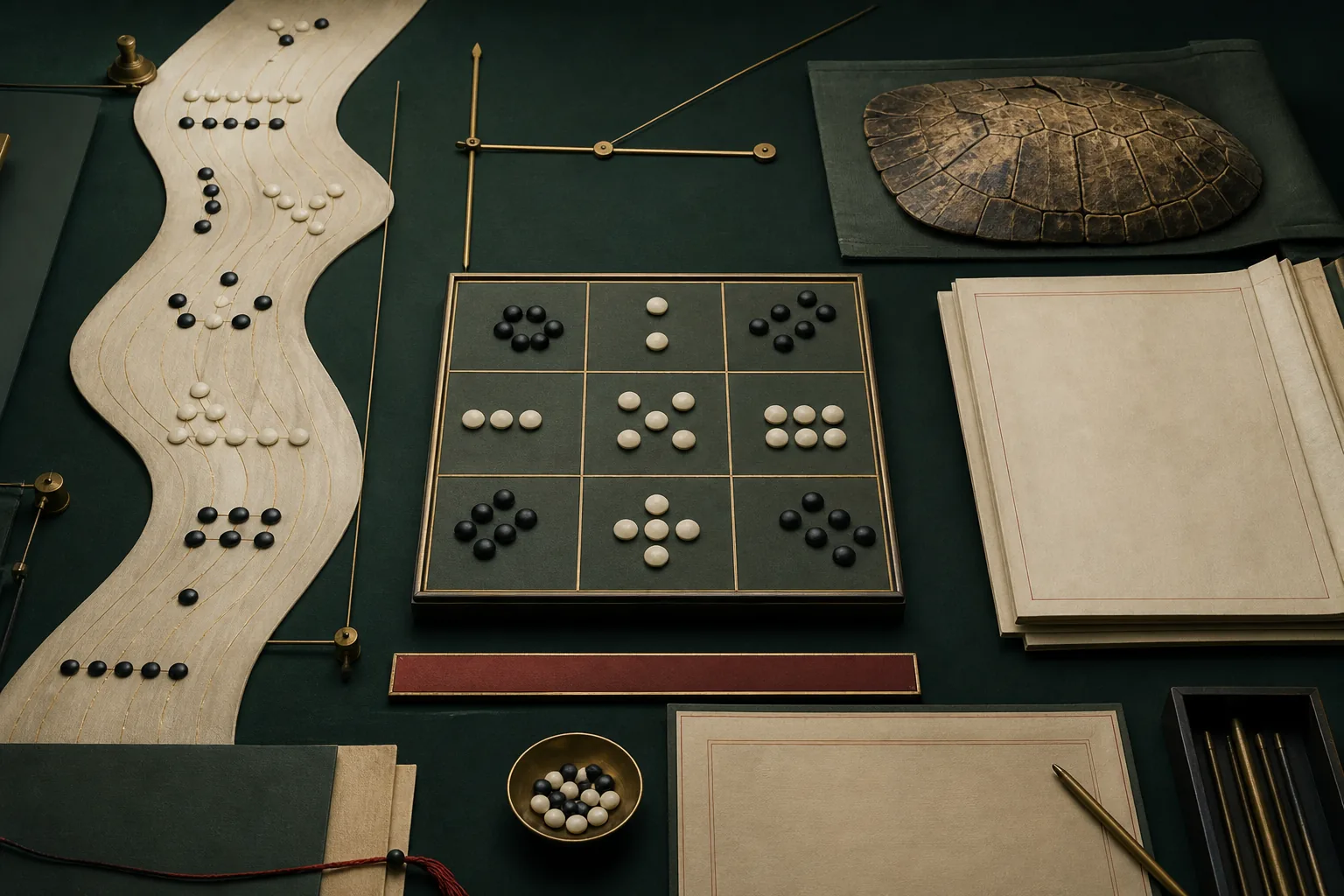
Hétú, Luòshū yǔ Jiǔgōng · River Chart, Luo Writing and the Nine Palaces

Spatial-numerical models of parity, generative numbers, center, cardinal and corner positions; a foundational node for the Three Boards, fengshui, date selection and Song correlative Yijing studies.

Textually documentedTraditional attribution
Principles, history & texts

卦气、纳甲与八宫

Guàqì, Nàjiǎ yǔ Bāgōng · Hexagram qi, Najia and the Eight Palaces

Correlations of hexagrams and lines with months, seasonal nodes, stems, branches, phases, pitch and waxing-waning cycles; a technical substrate for Six Lines, fate calculation and some fengshui systems.

Textually documentedContested lineage or date
Principles, history & texts

《焦氏易林》

Jiāoshì Yìlín · The Forest of Changes

A corpus of more than four thousand rhymed oracles indexed by primary and resulting hexagrams, valuable as divination manual, poetry, folklore and Han social evidence.

Textually documentedContested lineage or date
Principles, history & texts

扬雄《太玄》

Yáng Xióng Tàixuán · Yang Xiong's Canon of Supreme Mystery

Yang Xiong's ternary symbolic cosmology of eighty-one tetragrams and 729 appraisals, coordinated with calendar, seasons and phases: modeled on the Changes yet independent.

Textually documented
Principles, history & texts
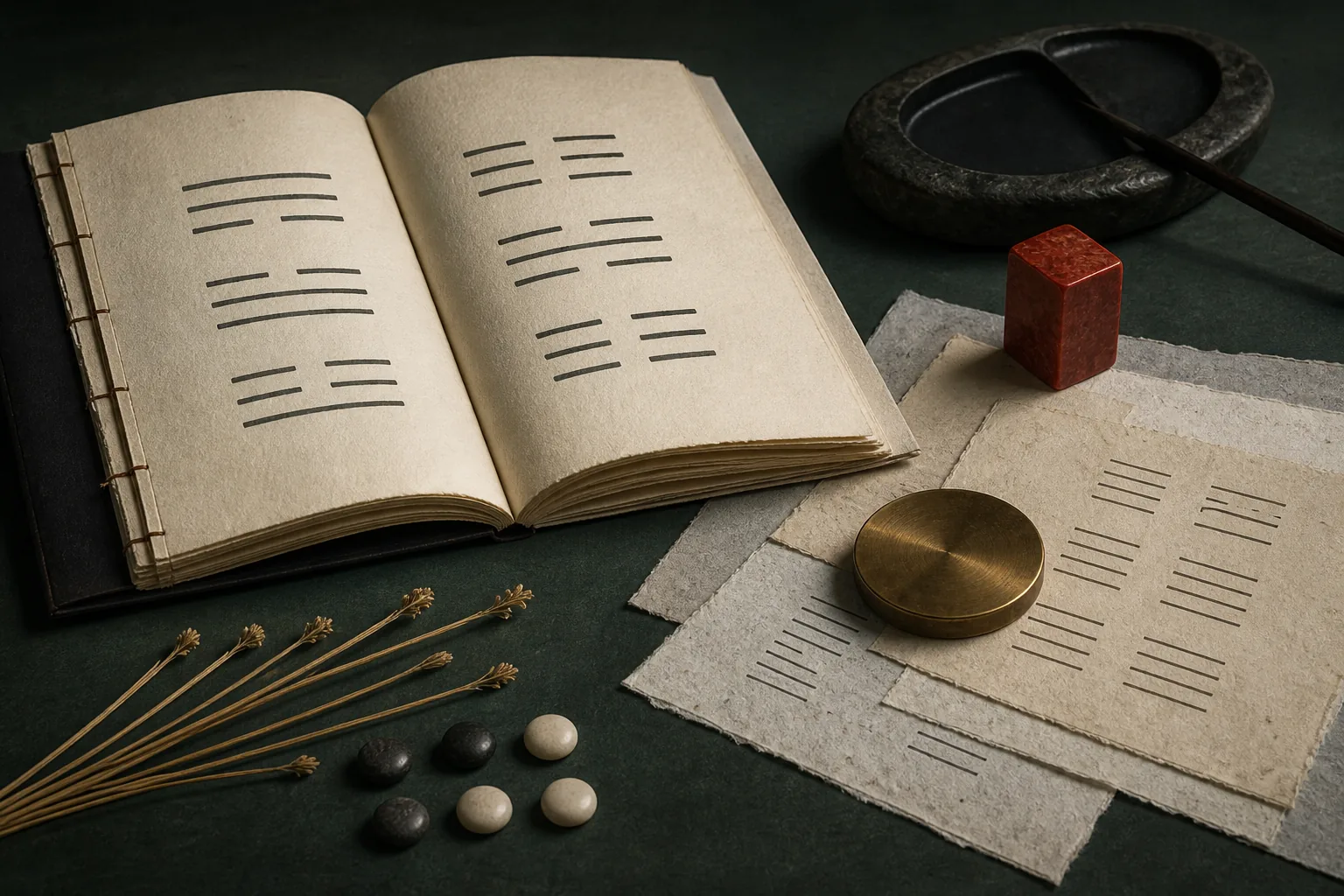
纳甲六爻

Nàjiǎ Liùyáo · Six-Line Najia divination

A hexagram method assigning branches, phases, six relations, host-response positions and six spirits, then reading season, day, change and strength; one of the most active Yijing divination systems today.

Textually documentedTraditional attribution
Principles, history & texts

梅花易数

Méihuā Yìshù · Plum Blossom Numerology

A flexible method taking hexagrams from time, numbers, sound, direction, characters or encountered images and interpreting change through body-function roles, phase relations, nuclear hexagrams and external correspondences.

Traditional attributionContested lineage or date
Principles, history & texts

皇极经世

Huángjí Jīngshì · Supreme Principles Governing the World

A model of cosmic and historical time using pre-celestial hexagram orders and nested yuan-hui-yun-shi cycles, connecting correlative number, sound, history and political change.

Textually documentedTraditional attribution
Principles, history & texts

河洛理数

Héluò Lǐshù · Hetu-Luoshu Principle and Number

A Ming-Qing system converting birth stems and branches into heaven-earth numbers and pre/post-celestial natal hexagrams, then using an original line and temporal changes to interpret life stages.

Textually documentedTraditional attribution
Principles, history & texts

灵棋经

Língqí Jīng · Classic of Spirit Tokens

Twelve marked tokens are cast into upper, middle and lower groups to form one of 125 figures with an attached oracle; an independent compact method widely transmitted in medieval times.

Textually documentedTraditional attribution
Principles, history & texts

太乙

Tàiyǐ · Taiyi cosmic-board calculation

One of the Three Boards, arranging Taiyi and associated agents through accumulated years, epochs, nine palaces and configurations, traditionally for state affairs, warfare, disasters and long-term cycles.

Textually documentedTraditional attribution
Principles, history & texts

奇门遁甲

Qímén Dùnjiǎ · Qimen Dunjia

A nine-palace system placing the Three Wonders, Six Instruments, Eight Gates, Nine Stars and spirits according to season, date and yin-yang rotation to analyze timing, direction and action.

Textually documentedTraditional attribution
Principles, history & texts

大六壬

Dà Liùrén · Great Liuren

A heaven-earth board places the monthly general over the divination hour; Four Lessons are built from the day stem-branch, followed by Three Transmissions, generals and lesson patterns, interpreted within the tradition as a matter's origin, development and resolution.

Excavated evidenceTextually documented
Principles, history & texts
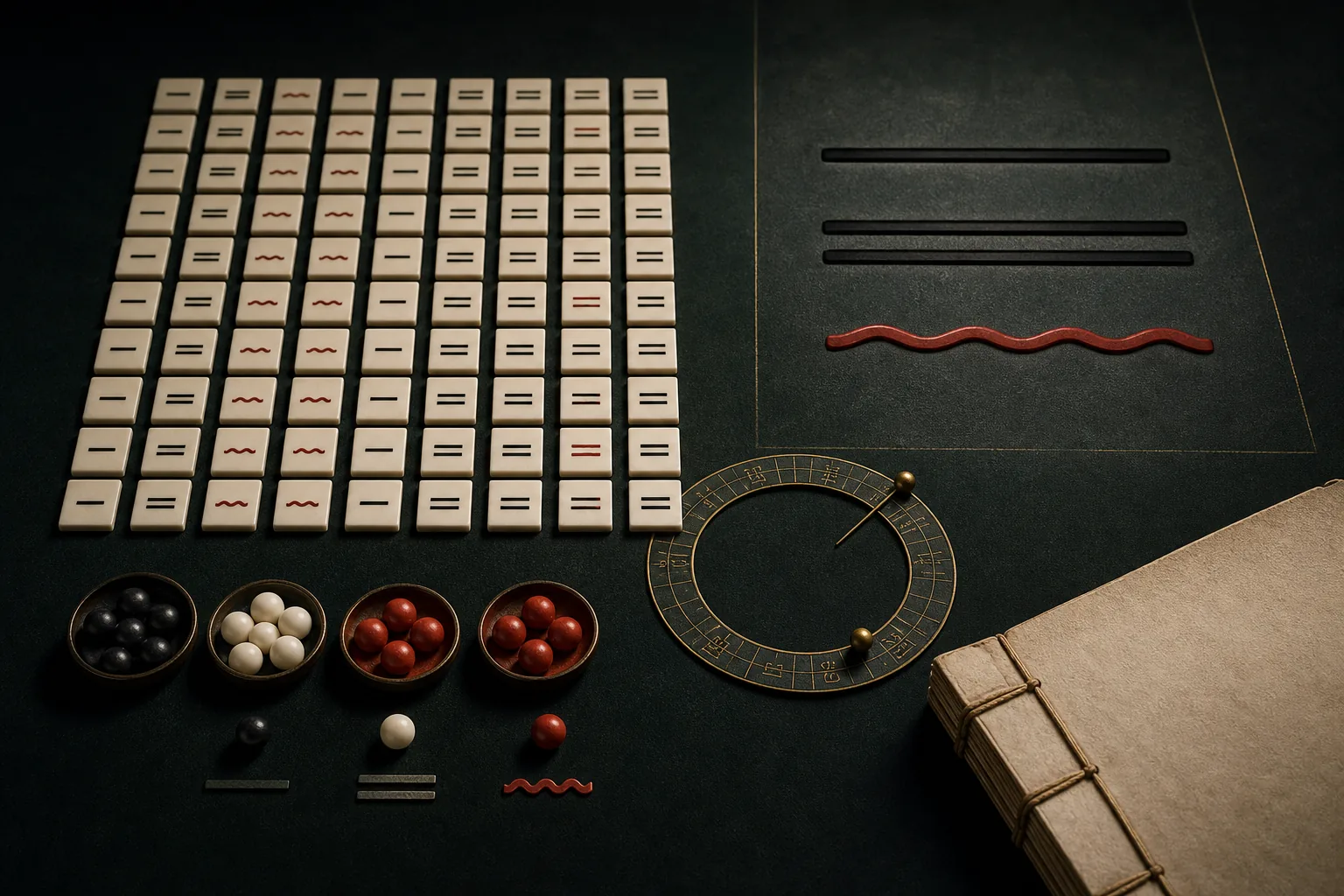
大六壬金口诀

Dà Liùrén Jīnkǒujué · Liuren Golden Formula

A compact lesson built from the ground division, general, noble spirit and human origin, interpreted through phase relations, strength and agents.

Traditional attributionContested lineage or date
Principles, history & texts

小六壬

Xiǎo Liùrén · Lesser Liuren

A quick hand mnemonic cycling month, day and hour through six states: Great Peace, Lingering, Swift Joy, Red Mouth, Small Fortune and Emptiness.

Traditional attributionContested lineage or date
Principles, history & texts

四柱子平命理

Sìzhù Zǐpíng Mìnglǐ · Four Pillars / Bazi fate calculation

Birth year, month, day and hour are each expressed as a stem-branch pillar; the day stem anchors analysis of ten relations, phases, patterns, seasonal adjustment, major cycles and years.

Textually documentedTraditional attribution
Principles, history & texts

紫微斗数

Zǐwēi Dǒushù · Ziwei Doushu

A natal chart assigns life and body palaces from lunar birth data and places symbolic stars, auxiliaries and four transformations across twelve palaces to interpret themes and periods.

Textually documentedTraditional attribution
Principles, history & texts

七政四余与五星星命

Qīzhèng Sìyú yǔ Wǔxīng Xīngmìng · Seven Governors, Four Auxiliaries and planetary nativities

A natal system using the Sun, Moon, five visible planets and four auxiliary points with twelve houses, lunar lodges, degrees and time-lord techniques.

Textually documentedCross-cultural formation
Principles, history & texts

演禽术

Yǎnqín Shù · Lunar-lodge animal calculation

A system pairing the twenty-eight lunar lodges with animal symbols, birth data and dates, combined with the five phases for nativities, selection or topical divination.

Textually documentedCross-cultural formation
Principles, history & texts

铁板神数

Tiěbǎn Shénshù · Iron-Plate Divine Calculation

A family of methods encoding birth stems-branches, minute divisions, Hetu-Luoshu hexagram numbers and kin data to retrieve numbered life statements, known for calibrating the birth time.

Traditional attributionContested lineage or date
Principles, history & texts

邵子神数与条文神数谱系

Shàozǐ Shénshù · Shaozi and numbered-oracle calculation families

A textual family mapping birth data, hexagram numbers, phonology or keys to numbered life statements rather than one fully unified algorithmic school.

Traditional attributionContested lineage or date
Principles, history & texts

国家星占与天象占候

Guójiā Xīngzhān yǔ Tiānxiàng Zhànhòu · State astrology and celestial omenology

Observation of eclipses, comets, guest stars, planetary configurations and unusual celestial events, interpreted through star offices, terrestrial correspondences and political order.

Excavated evidenceTextually documented
Principles, history & texts

分野占

Fēnyě Zhān · Terrestrial fields of the sky

A spatial technique mapping celestial regions, lunar lodges or Jupiter stations to terrestrial states and provinces so that an omen could be assigned to a political region.

Textually documentedContested lineage or date
Principles, history & texts

风角、云气与物候杂占

Fēngjiǎo, Yúnqì yǔ Wùhòu Zázhān · Wind, cloud, phenological and animal omens

Reading winds, cloud forms and colors, rainbows, thunder, animal behavior and unusual phenology for war, weather and affairs, at the boundary between practical observation and symbolic omenology.

Excavated evidenceTextually documented
Principles, history & texts
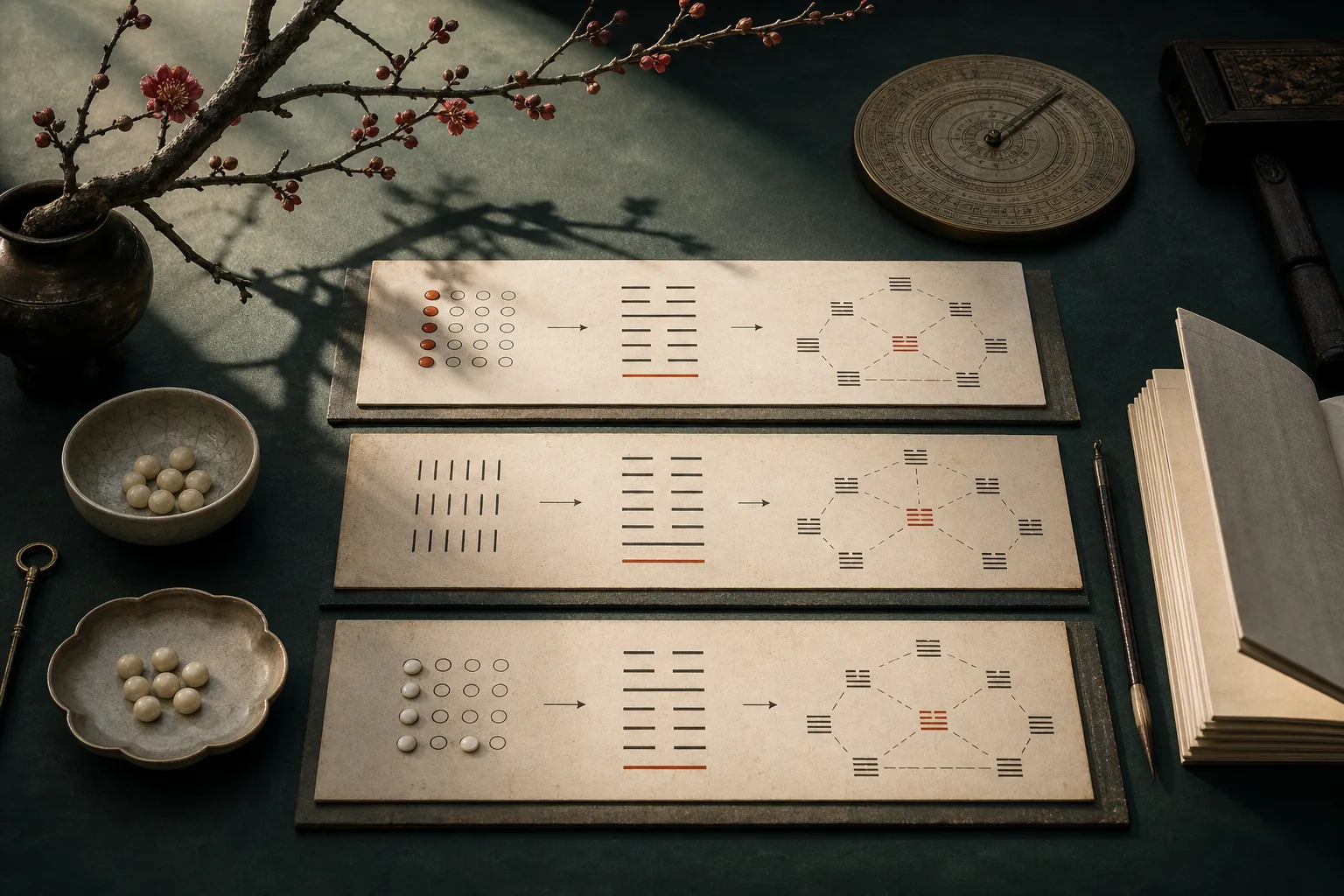
堪舆与风水

Kānyú yǔ Fēngshuǐ · Fengshui and Chinese geomantic traditions

A family of site-selection traditions combining landform, water, orientation, time, yin-yang, phases and compass layers for dwellings, settlements and burials.

Excavated evidenceTextually documented
Principles, history & texts
相人术

Xiàngrén Shù · Chinese physiognomic traditions

Historical classification and analogy based on bone structure, features, complexion, voice, movement and proportion, formerly used for character, fortune, lifespan and personnel decisions.

Textually documentedTraditional attribution
Principles, history & texts

择日与选择术

Zérì yǔ Xuǎnzé Shù · Date selection and almanac arts

A widely enduring temporal technology matching stems-branches, month command, seasonal nodes, Twelve Officers and other factors to marriage, travel, construction, burial and daily activities.

Excavated evidenceTextually documented
Principles, history & texts
占梦与解梦书

Zhānmèng yǔ Jiěmèng Shū · Dream divination and dream manuals

Interpretation of dream people, animals, objects, actions, colors, directions or puns through symbol, inversion and analogy, spanning court office, religious experience and popular dictionaries.

Textually documentedTraditional attribution
Principles, history & texts

测字、拆字与相字

Cèzì, Chāizì yǔ Xiàngzì · Chinese character divination

A contextual art beginning from a written, selected or encountered Chinese character and analyzing components, added or removed strokes, shape, sound and meaning.

Textually documentedTraditional attribution
Principles, history & texts

五兆卜法与敦煌事项占

Wǔzhào Bǔfǎ yǔ Dūnhuáng Shìxiàng Zhān · Five-omen methods and Dunhuang topical divination

A family preserved in Dunhuang fragments using five signs, phase-generative numbers, invocations and topical statements for illness, marriage, lost objects, travelers and other daily questions.

Excavated evidenceTextually documented
Principles, history & texts
求签、签诗与杯珓

Qiúqiān, Qiānshī yǔ Jiǎobēi · Divination lots, oracle poems and moon blocks

A common temple and popular religious practice drawing numbered lots or casting crescent blocks. Within the relevant faith tradition, results are interpreted as divine responses through poems, allusions or affirmative-negative-laughing signs.

Textually documentedTraditional attribution
Principles, history & texts
谶纬、图谶与预言文献

Chènwěi, Túchèn yǔ Yùyán Wénxiàn · Apocrypha, prophetic charts and prediction literature

Political prophecy through riddles, mandate tokens, images, scriptural correspondence and historical cycles; a major object for the study of legitimacy and textual rewriting.

Textually documentedTraditional attribution
Principles, history & texts
CONNECTED KNOWLEDGE

Follow concepts across families.

Each path connects a family, shared questions and related fields for comparative reading, without claiming proven historical transmission.

02KNOWLEDGE FAMILIES

Nine knowledge families

015 dossiers

Divination and correlative foundations

From oracle bones, yarrow and numerical hexagrams to Hetu-Luoshu and Najia: the symbolic, temporal and numerical languages shared by many later systems.

027 dossiers

Yijing-derived and correlative systems

Distinct traditions of inference built around hexagrams, lines, correlative roles, oracular texts and large-scale models of time.

035 dossiers

The Three Cosmic Boards and spatiotemporal methods

Taiyi, Qimen, Liuren and related methods organize time and space through nine-palace models, cosmic boards, agents and calendrical rules.

046 dossiers

Fate calculation and astral nativities

Traditional interpretive systems organizing life narratives through birth time, stems and branches, palaces or celestial positions.

053 dossiers

Celestial omens and signs

From state astrology to winds, cloud forms and phenology: how observations became political and human interpretation.

061 dossiers

Fengshui and environmental arts

Approaches to dwellings, graves, settlements and landscapes through form, orientation, timing and spatial order.

071 dossiers

Physiognomy and bodily observation

Historical systems of classification and analogy based on appearance, bones, voice and movement, studied together with their risks of bias.

081 dossiers

Date selection and almanac traditions

Traditions matching activities with calendrical days, seasonal nodes, the Twelve Officers and other almanac factors.

095 dossiers

Dreams, characters and popular divination

Lots, moon blocks, character analysis, dream books and local quick methods reveal the diversity of divination in everyday life.

03Scope and classification

Distinguish material from interpretation

No closed, universally accepted list covers every Chinese mantic art. Names overlap, divide, disappear, acquire pseudonymous authors and are reinvented. This atlas centers identifiable texts, living systems and significant branches, with its scope and evidence levels made explicit.

01

Historical evidence

Supported by datable material, catalogs, objects or verifiable text.

02

Traditional attribution

How a lineage or book tells its story; not automatically a modern historical finding.

03

Legend

A culturally meaningful origin narrative that does not establish a date.

04

Debate

Disagreement over author, composition, genealogy or algorithmic relationship.

04Branch index and extended dossiers

Branches, aliases and local traditions

These names remain in a traceable branch index. They become independent dossiers only when rules, dates and relationships can be described with adequate evidence.

01

Six Lines: Huozhulin, Wenwangke, Huangjin Ce, hidden lines, advancing-retreating signs and timing schools

02

Qimen: rotating, flying, split-term, intercalary, Maoshan, hourly, daily and selection approaches

03

Liuren: lesson-pattern, correlative, case-based, Golden Formula and the genealogically uncertain Lesser Liuren

04

Fate calculation: nayin luming, Ziping pattern, strength, climatic adjustment, spirits, Taiyi natal methods, nine-palace annual movement and hand mnemonics

05

Astral nativities: Qintang, Guolao, celestial-office planets, Seven Governors and Four Auxiliaries, animal-star and lodge traditions

06

Fengshui: form, Sanhe, Sanyuan, Xuankong, Flying Stars, Eight Mansions, living and burial approaches and compass layers

07

Physiognomy: face, bone, hand, voice, gait, complexion and moles, with cross-cultural origins marked where needed

08

Miscellaneous methods: hidden-object guessing, inverse puncture, emptiness, animal calls, bodily signs, anomalies, board games, coins, dominoes and dice

Excluded or separately sourced

  1. 01The modern Five-Grid name system spread chiefly from Japan and is not treated as an ancient Chinese invention.
  2. 02Tarot, Western astrology, Kabbalah and Jyotisha are not Chinese-origin systems.
  3. 03Phone-number energy, license-plate magnetism and quantum-occult marketing do not enter the historical core.
  4. 04Claims based only on secret transmission or invention by the Yellow Emperor or Zhuge Liang are marked traditional or unverified.